
Assembly Tools & Supplies
Get ready before your Asimov 1 arrives. Find the required tools and supplies, optional extras, and product links to help you prepare for assembly.
These are the tools you'll need to assemble an Asimov 1, along with some optional extras. Use this guide to prepare your workbench, see what each tool is for, and find the products we use ourselves.
The linked products are references, not a requirement to buy a particular brand. None of these links are affiliate links or advertisements; they're simply what we use, so feel free to choose suitable tools from your favourite brand instead.
Required Tools and Supplies
These tools and supplies are needed for standard assembly, including the wire joins required at certain actuator joints and basic electrical checks.
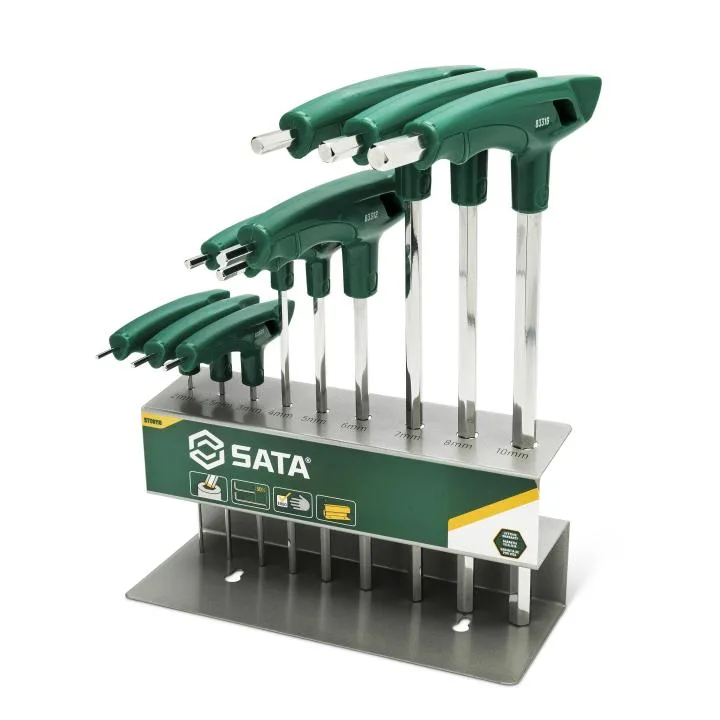
Metric Allen keys
Used for most of the robot's assembly. Make sure you have 2, 2.5, 3, 4, 5, and 6 mm keys available.
As an Asimov customer, you do not need to buy this. A metric Allen-key set is included free with your Asimov order or preorder and arrives with your robot delivery.
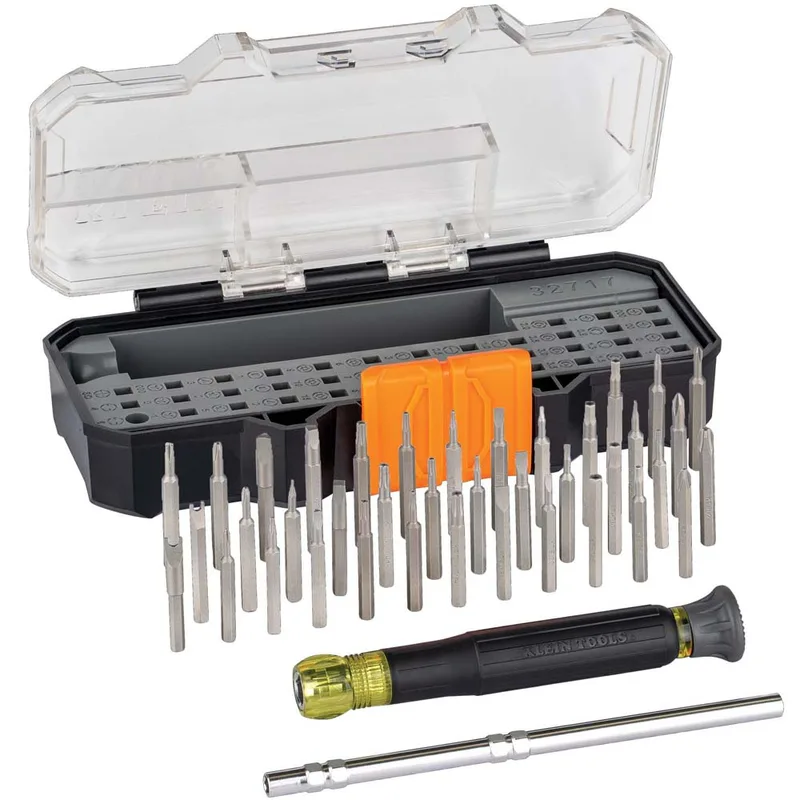
Phillips screwdriver
Used to secure the battery switch to the battery casing. Choose a Phillips bit that fits the screw head correctly.
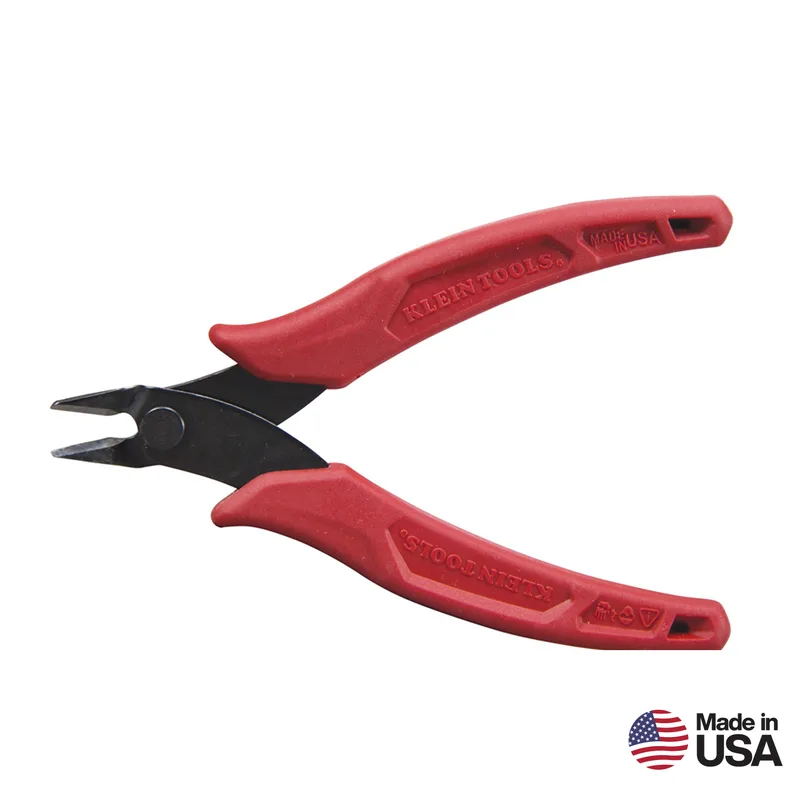
Flush cutters
Used to trim wire ends or small parts where an assembly step calls for cutting. Check the cutter's material and wire-size rating before use.
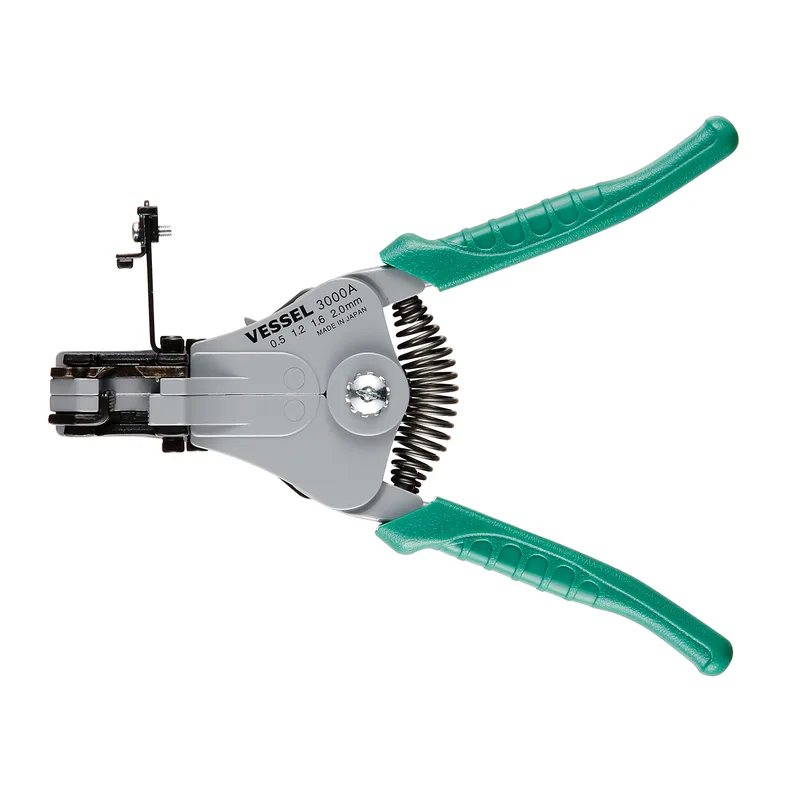
Wire strippers
Used to remove insulation from wires before connecting actuators at certain joints.
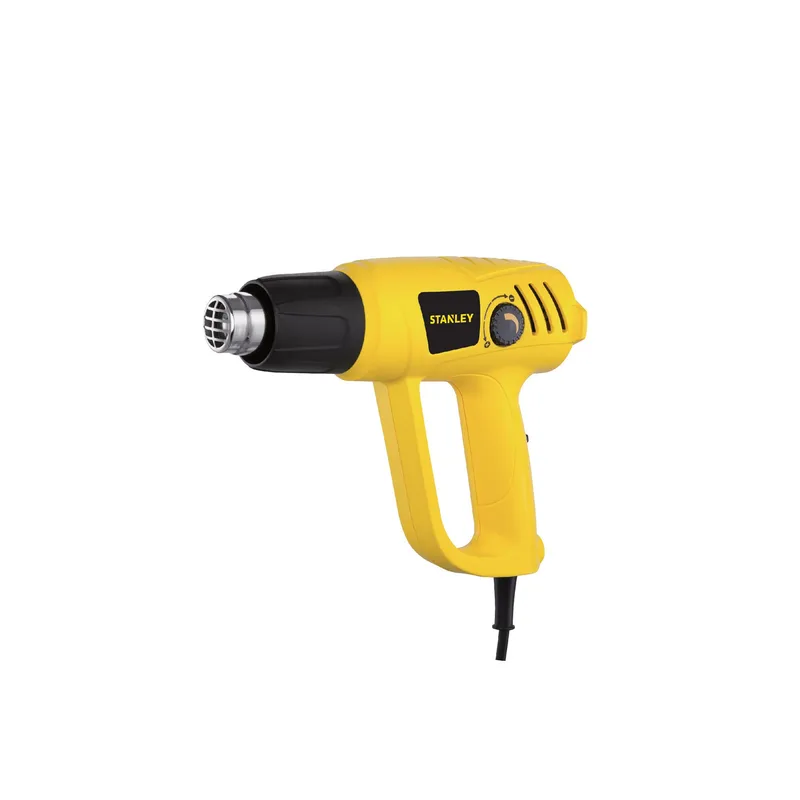
Heat gun
Used to shrink heat-shrink tubing over completed wire joins. Control the heat and keep it away from nearby plastics and other heat-sensitive parts.
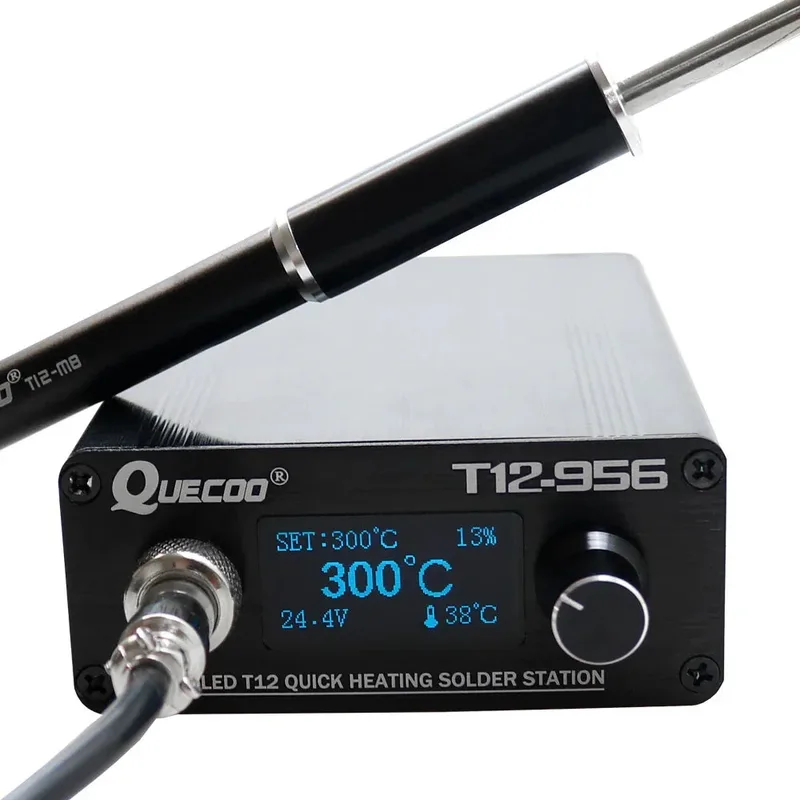
Soldering iron
Used with solder to join wire ends at the joint locations identified in the assembly instructions. Use a suitable tip and temperature for the wire and solder.
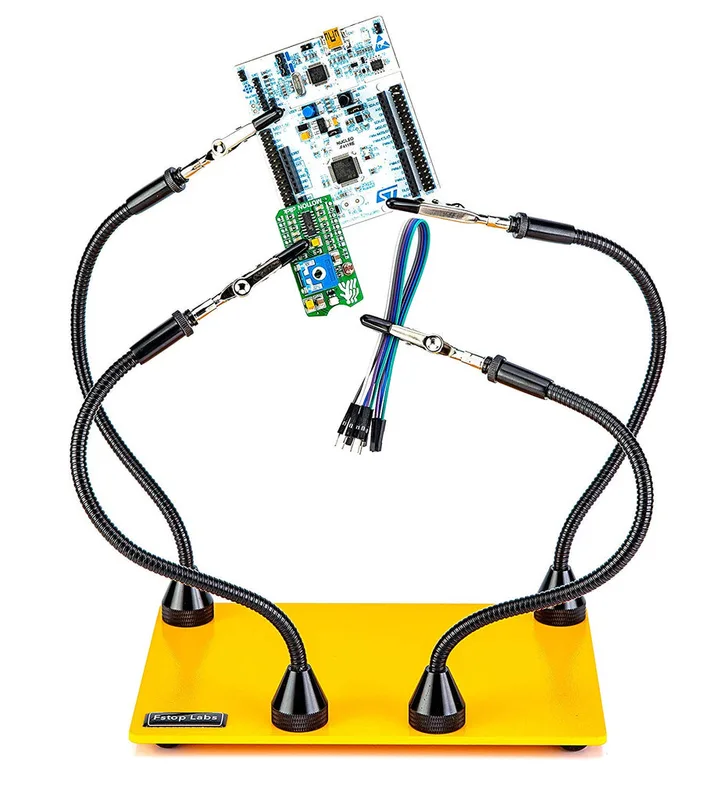
Soldering third-hand clamp
Holds wire ends steady while you solder them together. Position the clamps so they do not damage the insulation or strain the wire.
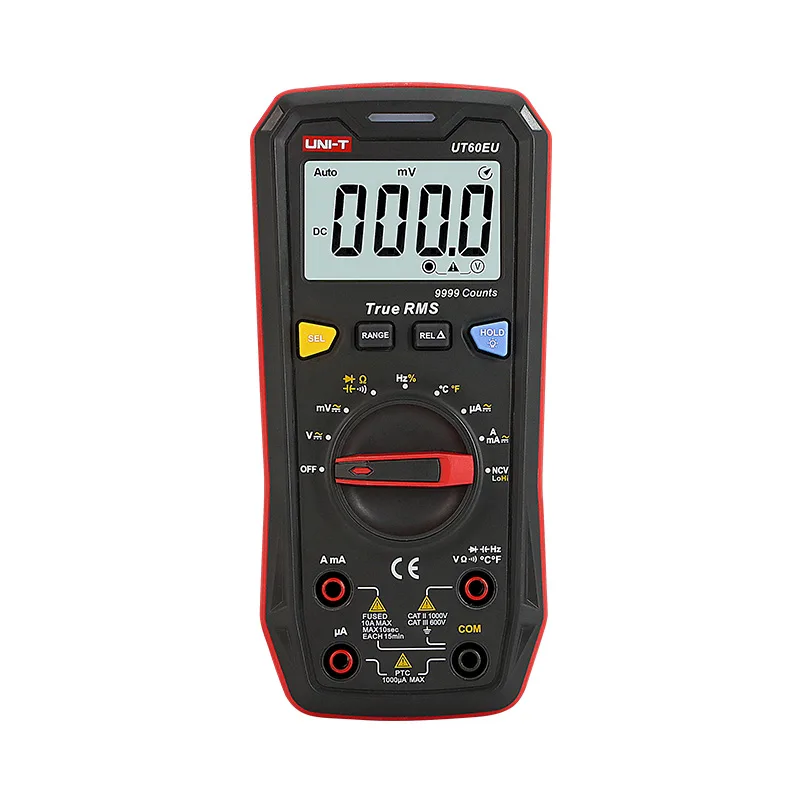
Digital multimeter
Used for voltage checks when debugging the electrical system. It may not be used often during assembly, but keep one available for electrical checks.
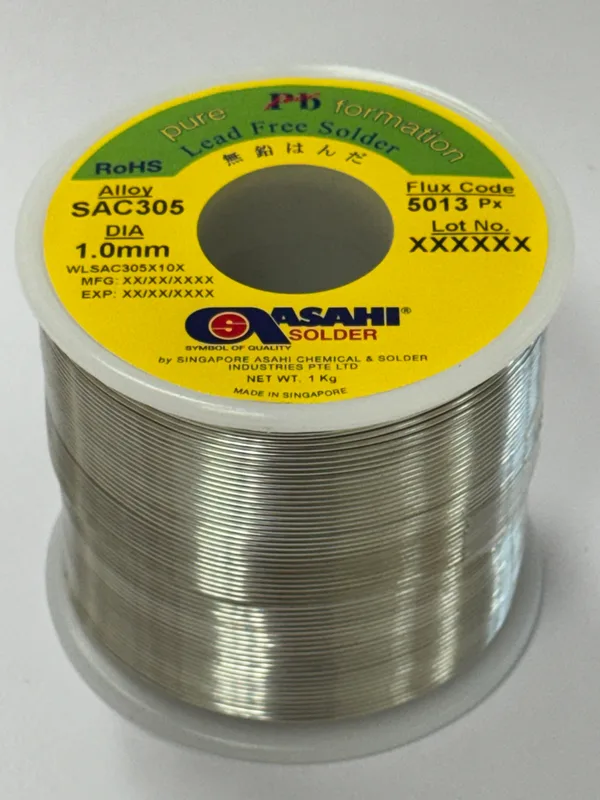
Solder
Used with the soldering iron to make the documented wire joins. Lead-free solder still requires suitable fume control.
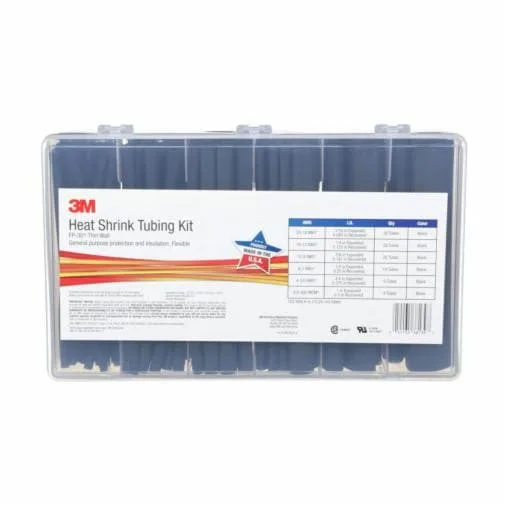
Heat-shrink tubing
Insulates soldered wire joins. Select tubing that fits over the join and shrinks to a secure fit; slide it onto the wire before soldering when the join would prevent fitting it afterward.

Threadlocker
Helps prevent specified bolts from loosening after assembly. Apply to the threads as directed before tightening; do not substitute a high-strength grade or apply it to every fastener indiscriminately.

Super glue
Secures wires to metal at specified routing locations to help prevent pinching. Check material compatibility and keep adhesive away from connectors and moving joints.
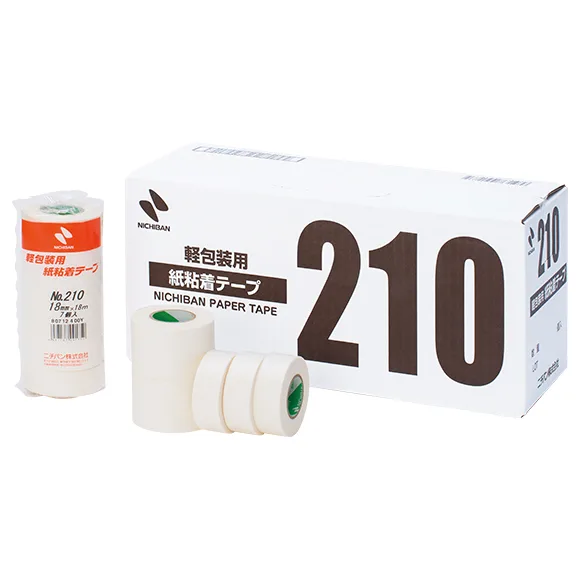
Masking / paper tape
Used for temporary labels, notes, and holding parts, wires, nuts, or bolts in place during assembly. It is not a substitute for electrical insulation or permanent wire retention.
Optional Tools and Workshop Equipment
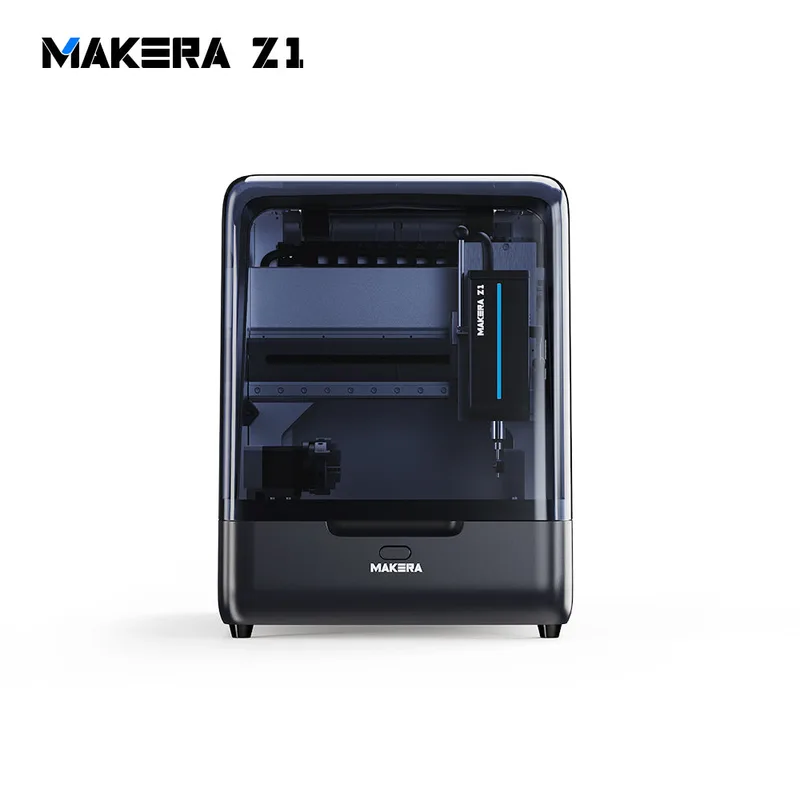
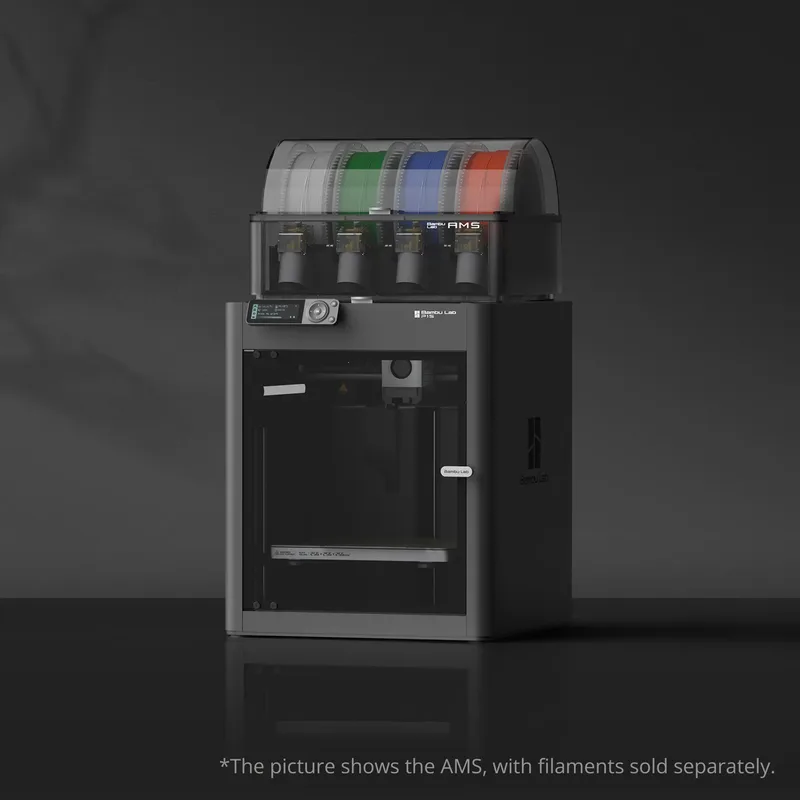
These items can make assembly or troubleshooting easier, but you do not need to buy them for standard assembly. This section also includes development and prototyping equipment that we use in our workshop; customers do not need any of it to assemble the robot.
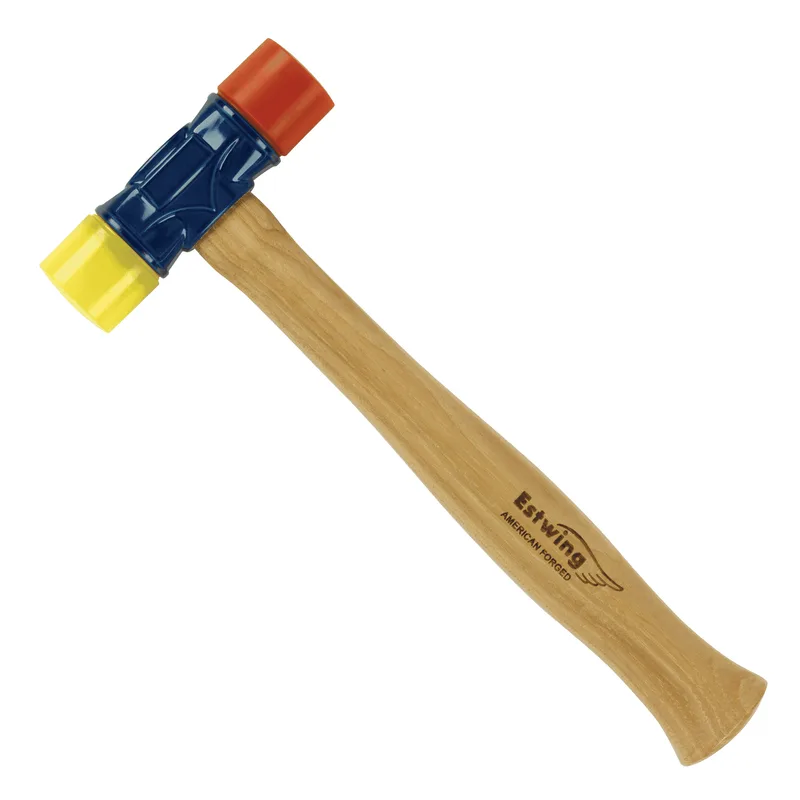
Soft-face mallet
Can help gently seat a tight-fitting part where the assembly instructions permit it. Check alignment and obstructions first; do not force a defective part or strike an actuator, bearing, or electronics.
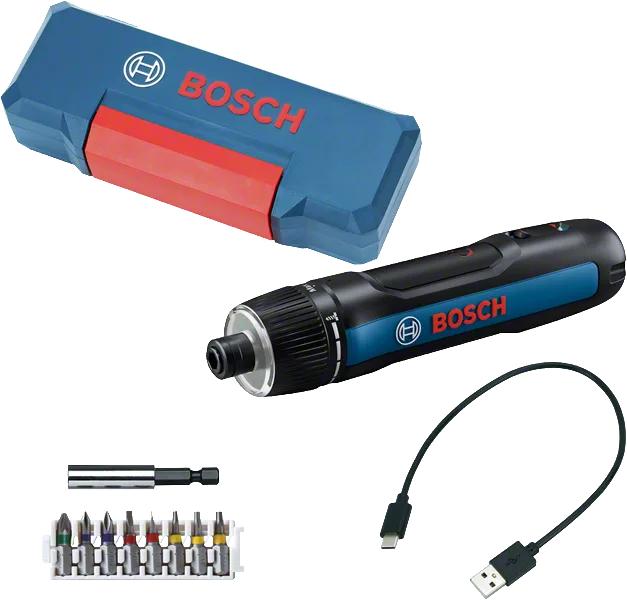
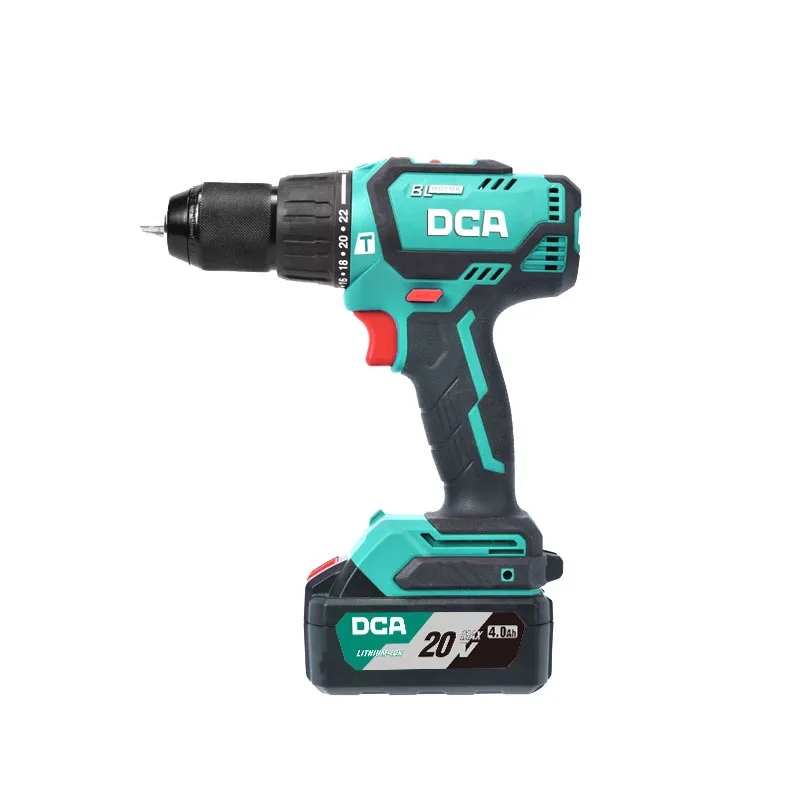
Powered cordless screwdriver
Speeds up repetitive tightening and loosening instead of turning every fastener manually. Start threads by hand and use the final-tightening method specified in the assembly step to avoid cross-threading or over-tightening.
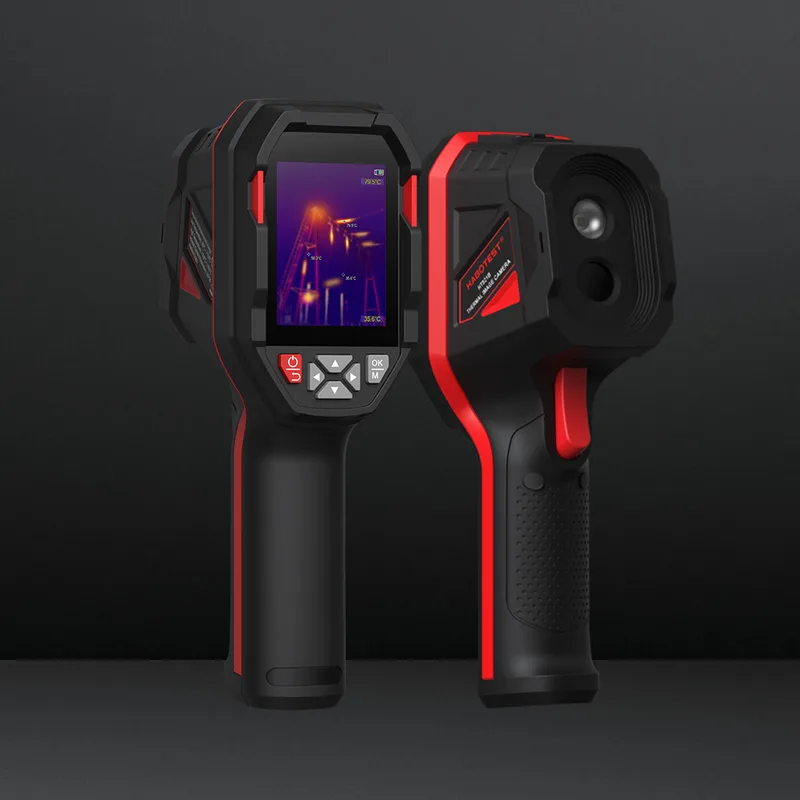
Thermal camera
Used to visually locate unusually warm areas when investigating possible overheating. It does not replace the robot's temperature monitoring or safety checks.
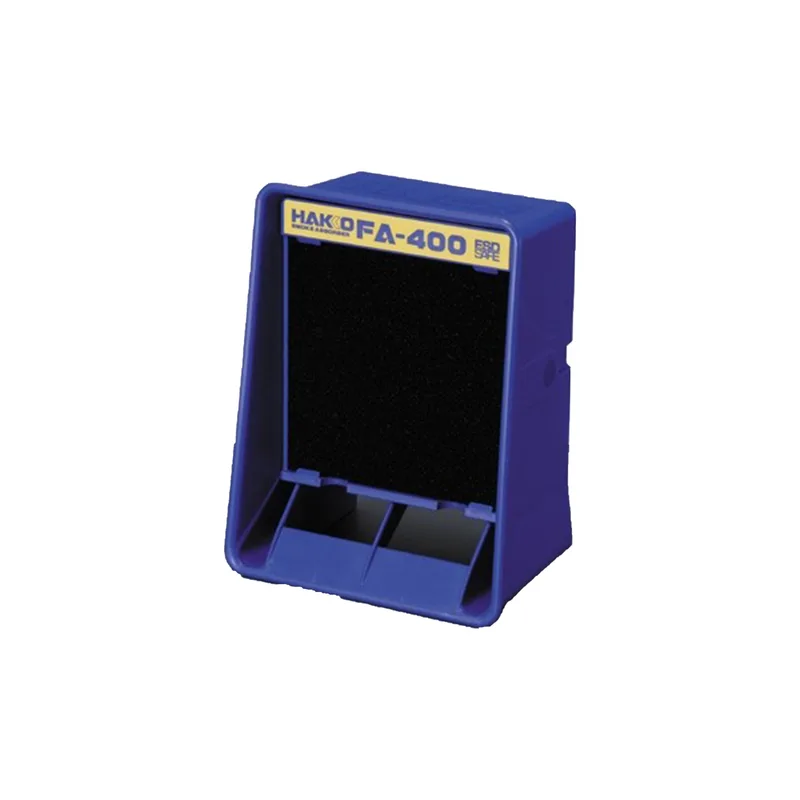
Desktop soldering fume absorber
Helps capture fumes near the soldering work area. This is the desktop unit we use; an appropriate existing extraction setup may serve instead.
Follow the manufacturer's positioning and filter-maintenance instructions, and provide suitable ventilation.
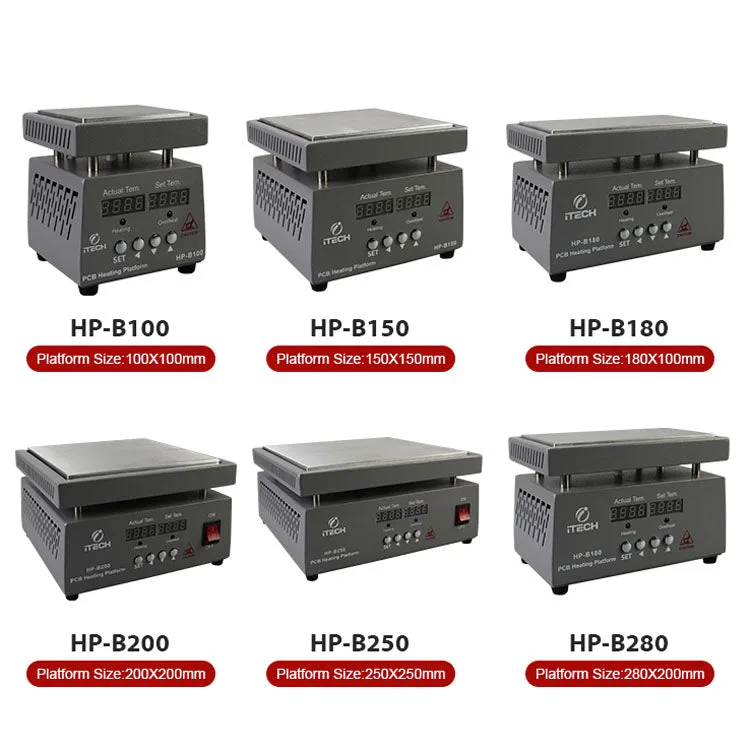
PCB heating platform
Used for PCB heating during electronics development and prototyping.
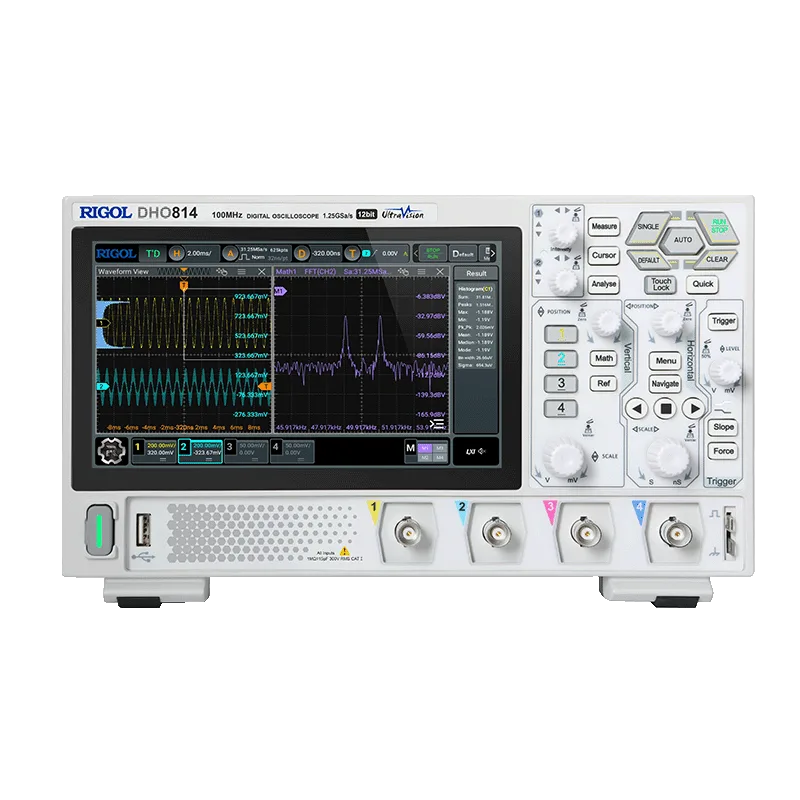
Digital oscilloscope
Used to inspect electrical signals during advanced electronics debugging and prototyping.
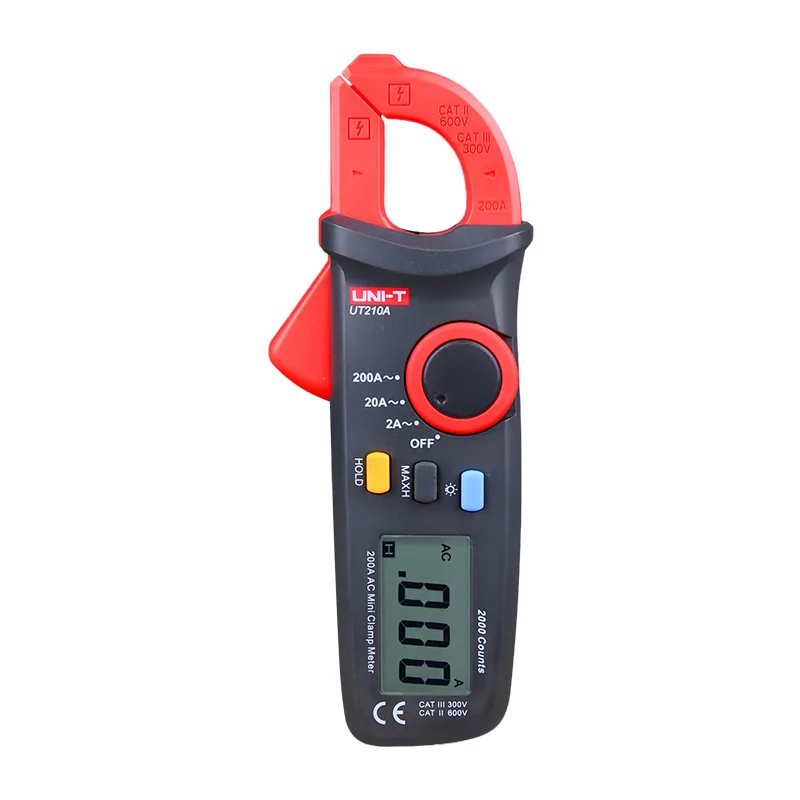
Mini digital clamp meter
Used in our workshop for battery inspection and advanced electrical diagnostics.
Capabilities vary across the linked series. Battery DC-current measurements require a DC-capable model.
How is this guide?